Maintain the door and lock as one assembly
Hotel door lock maintenance should cover mechanical condition, power, reader performance and staff procedures. A reliable reader cannot compensate for a door that sags or a strike that binds. Use a routine that checks both the door and its electronic access functions.
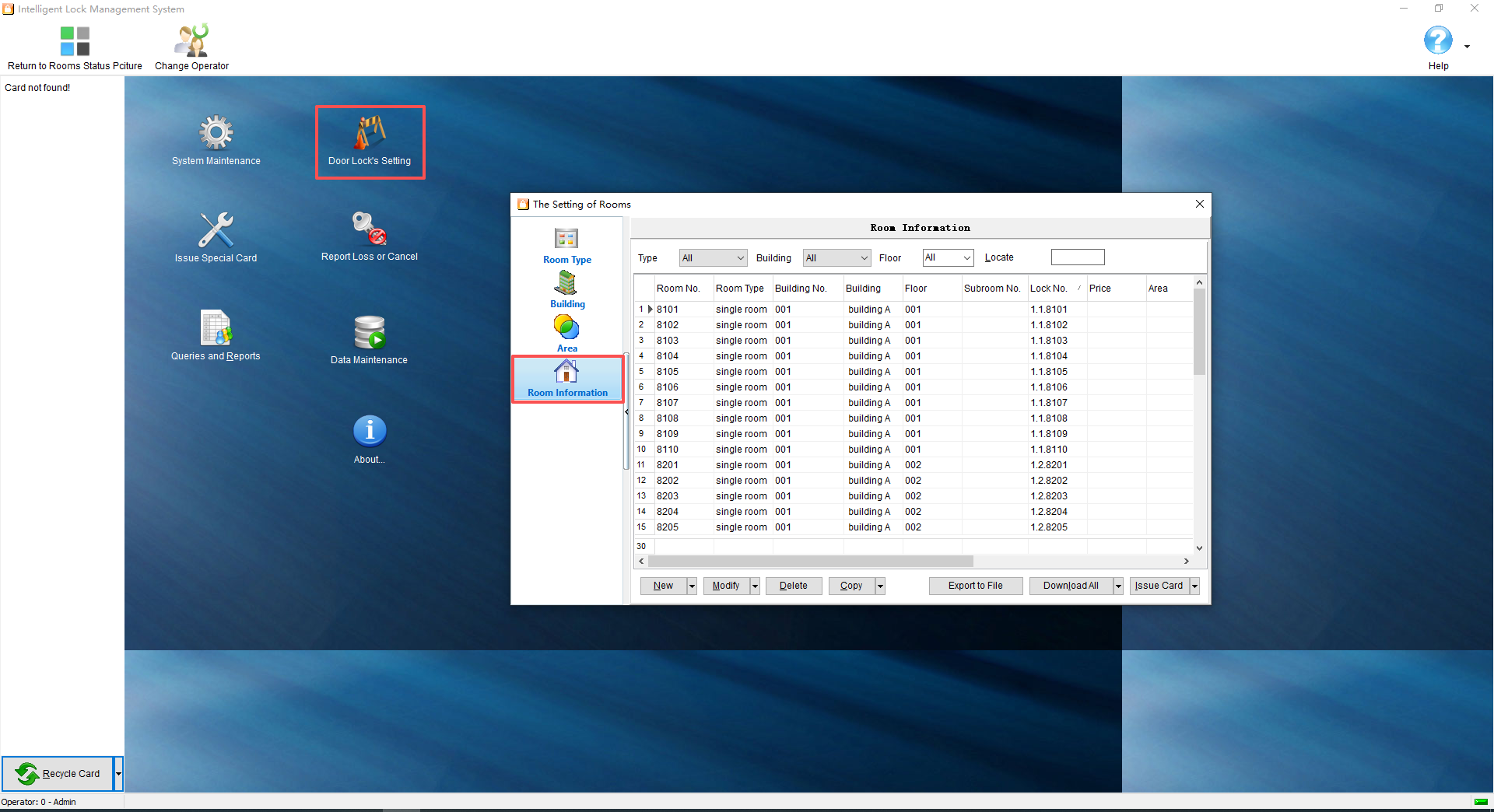
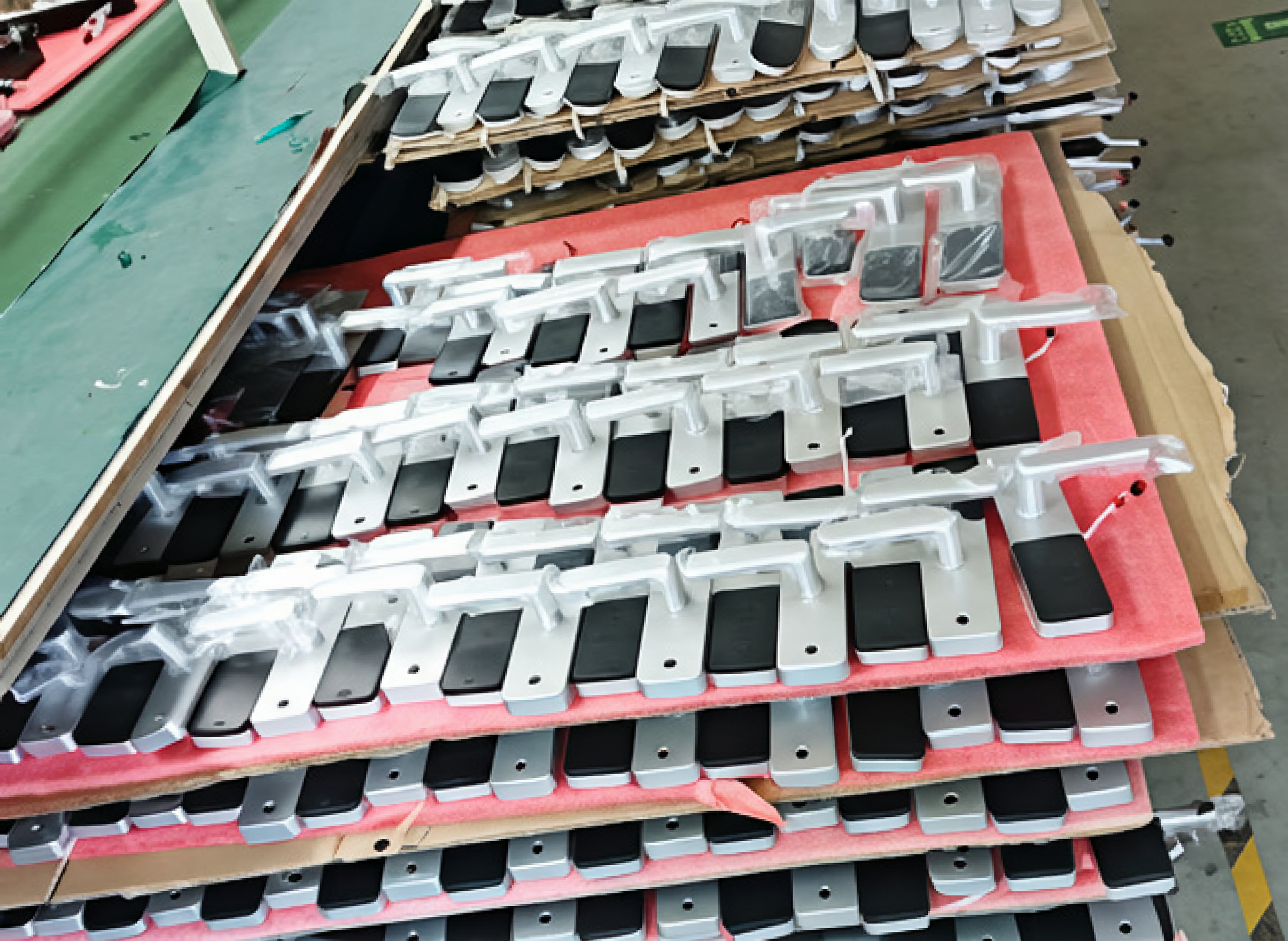
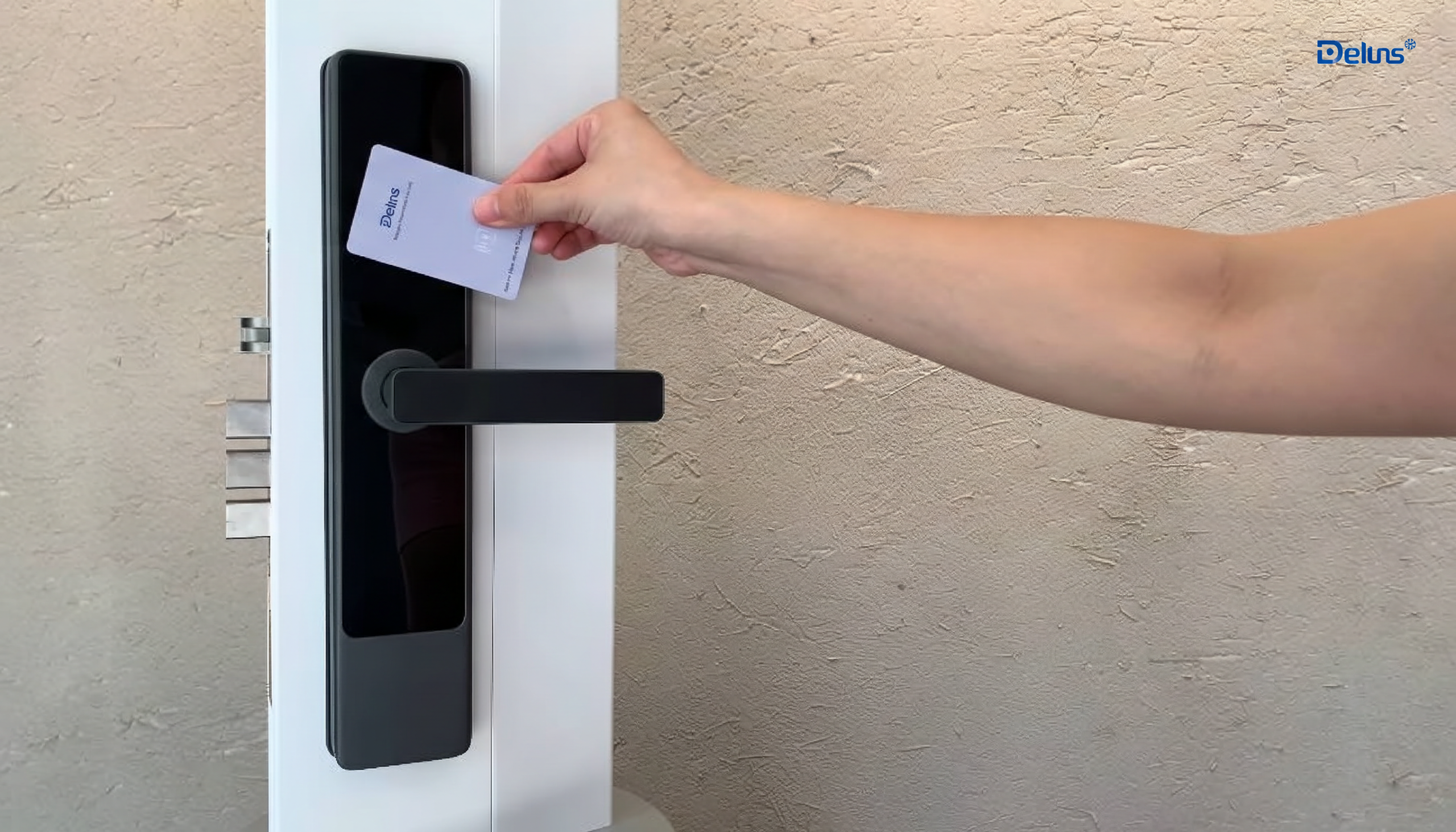
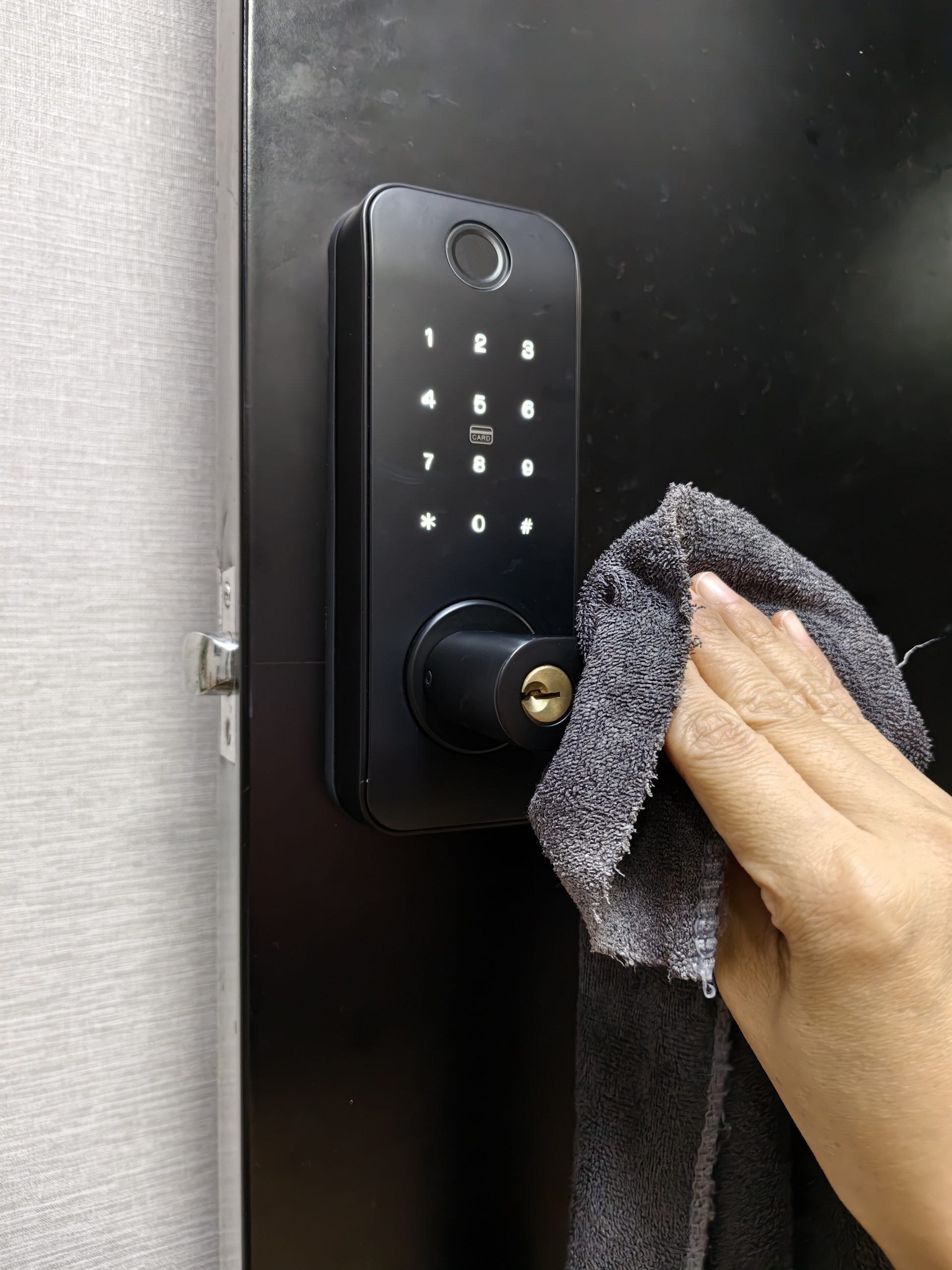
The supplied photos show cleaning, latch inspection and a fixing check. They illustrate inspection points rather than a universal repair procedure for every lock.
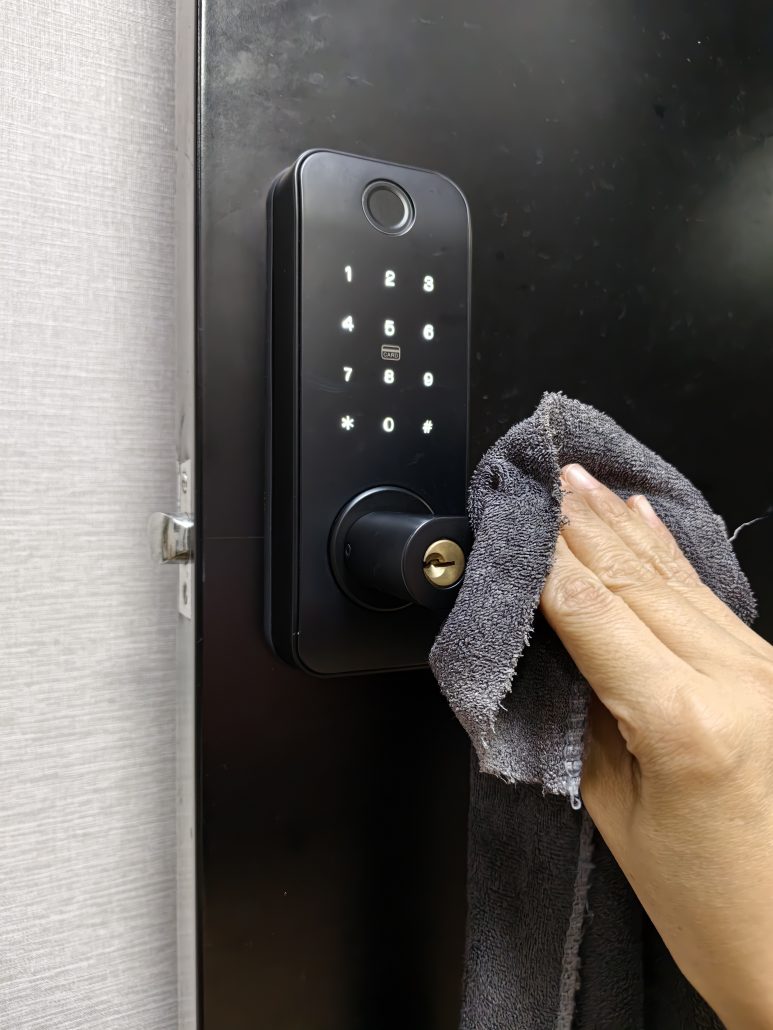
Clean without damaging the finish
Follow the finish-specific cleaning instructions. Use an appropriate soft cloth and approved cleaning method; do not spray liquid directly into the reader, battery compartment or mechanical openings. Avoid abrasive pads and unapproved chemicals.
After cleaning, check whether residue affects the reader area or handle movement. Where the finish is damaged, document the condition and ask for the model-specific care recommendation instead of applying an improvised coating.
Inspect handles, latch and door alignment
Check loose panels, unusual handle movement, slow return and rubbing at the strike. Open and close the door normally, observing whether the latch engages without pushing or lifting the door. Inspect the hinges and closer where alignment is poor.
Use the correct tool for accessible fixings and follow the supplied tightening guidance. Do not overtighten panels or lubricate the electronics. Apply lubrication only where and as specified by the hardware instructions.
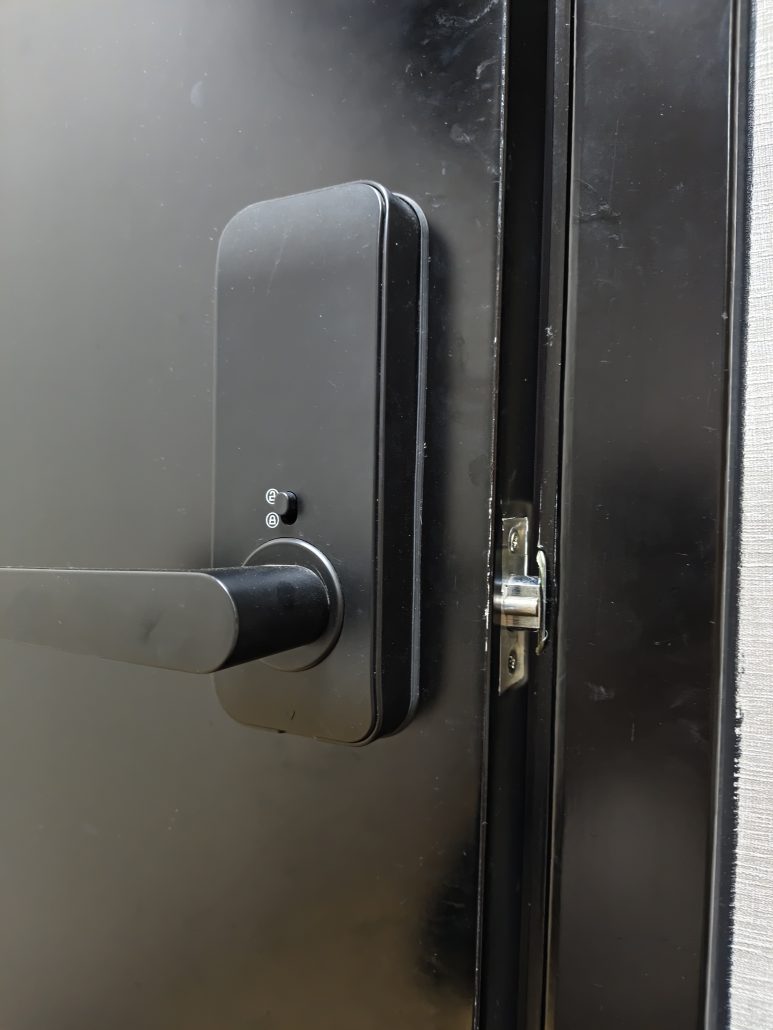
Review battery and access behaviour
Check low-battery indications and the maintenance log. Use approved batteries and a consistent replacement process. Test a valid service credential with the door open before returning the room to use.
Repeated failed access may relate to an expired card, room settings, time settings or a mechanical problem. Record the symptom before changing settings, and use the troubleshooting instructions for the installed model.
Keep a room-by-room service record
Log date, room, model, reported symptom, observations, work performed and test outcome. Include the software or firmware version where relevant to the issue. Separate a visual check from an actual functional test so the next technician knows what was verified.
Set the inspection frequency using occupancy, opening frequency, environment and supplier guidance. Increase attention where recurring alignment or battery problems appear rather than assuming one fixed schedule fits all rooms.
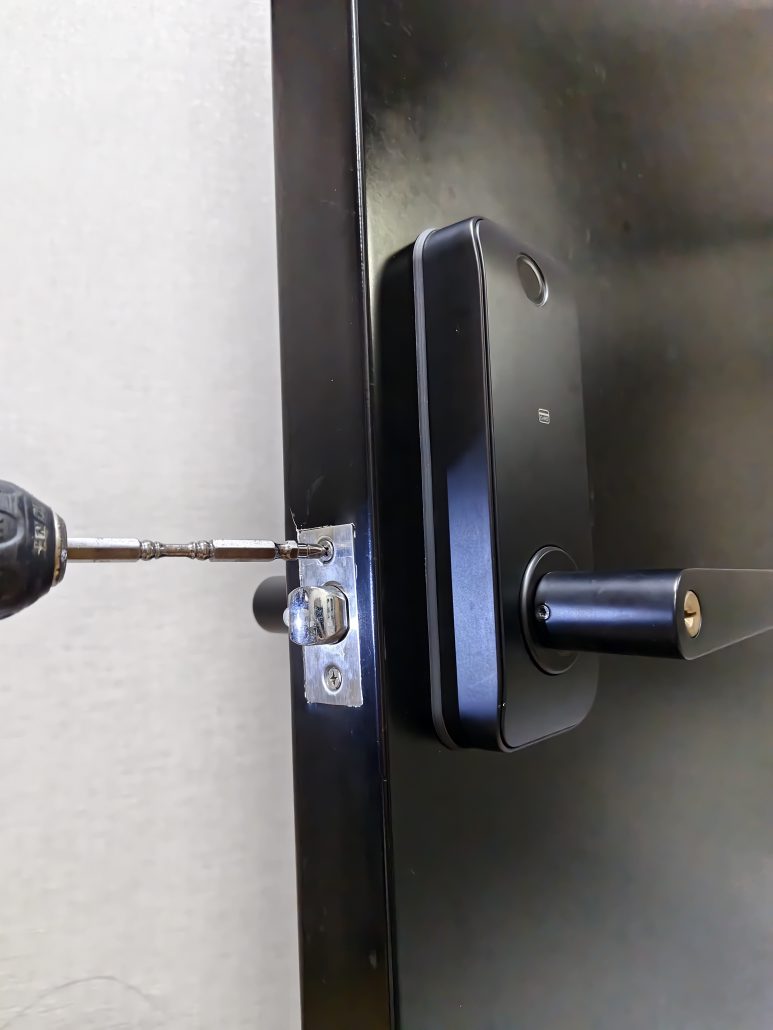
When to take a room out of normal service
Escalate a latch that will not secure, unreliable inside operation, damaged wiring or repeated unexpected failures. Follow the hotel response procedure and arrange qualified service. Do not leave an uncertain repair for the next guest to test.
Does cleaning replace servicing? No; it is one part of the routine. Should staff reset a faulty lock immediately? Record the symptoms and follow the model-specific process first, because a reset may affect configuration.
Related DELUNS resources
Review our hotel lock system overview and RFID hotel door lock selection guide. For installation planning, see hotel lock project services.
Contact DELUNS with your door photos, room quantity and required access workflow for a configuration discussion.